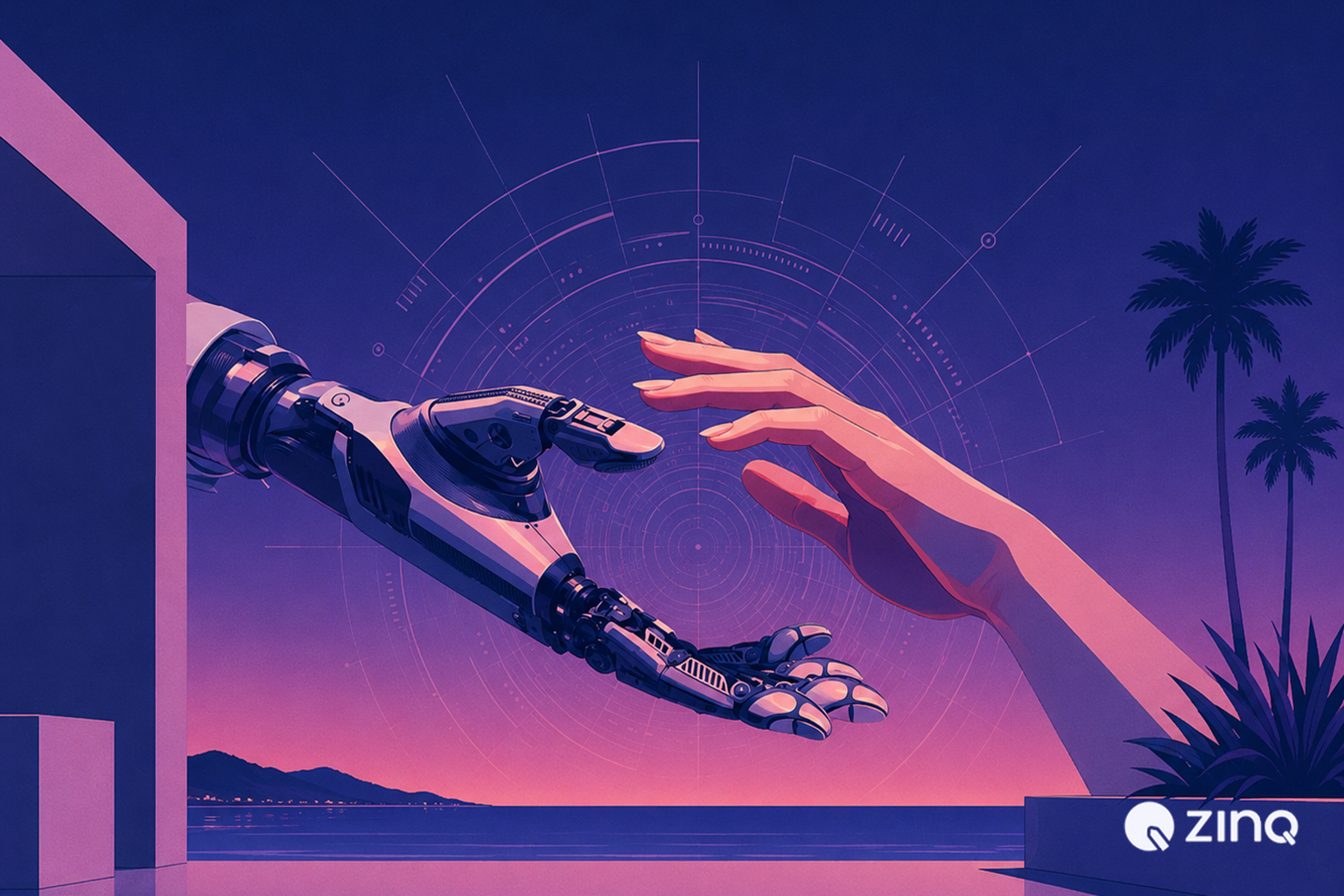
AI agents are transforming customer support. When designing these systems, implementing a robust human handover in AI becomes essential for maintaining high service standards. Businesses can now provide instant responses, automate repetitive tasks, and offer 24/7 assistance without significantly increasing operational costs.
However, even the most advanced AI systems cannot solve every customer issue. Some situations require human judgment, empathy, or access to information that an AI agent may not have. This is where human handover becomes critical.
A well-designed human handover process ensures that customers can seamlessly transition from an AI agent to a human representative when needed. Without it, businesses risk frustrating customers, creating poor support experiences, and losing valuable opportunities.
In this guide, we’ll explain what human handover is, why it matters, and how businesses can set up effective AI-to-human support workflows.
What Is Human Handover in AI Support Workflows?
Human handover is the process of transferring a customer conversation from an AI agent to a human support representative when the situation requires human assistance.
The goal is not to replace human support entirely. Instead, it is to allow AI agents to handle routine tasks while ensuring that more complex issues receive the attention of a qualified team member.
A Simple Definition
Human handover occurs when an AI system recognizes that it cannot fully resolve a customer’s request and transfers the conversation to a human agent.
The transition should be smooth, with all relevant context shared so customers do not need to repeat themselves.
This creates a better customer experience and helps support teams work more efficiently.
Why Human Handover Is Important
AI agents are excellent at handling predictable and repetitive interactions. They can answer common questions, retrieve information, create tickets, and automate workflows.
However, some situations require human expertise.
Examples include:
- Complex technical issues
- Billing disputes
- Sensitive customer complaints
- High-value sales conversations
- Unique business requests
- Escalated support cases
Without a proper handover process, customers may feel trapped in an automated system and become frustrated.
Why AI Alone Is Not Enough
Businesses sometimes assume that AI can fully automate customer support. While automation can significantly reduce workloads, complete automation is rarely the best approach.
Customers Still Want Human Support
Many customers appreciate the speed of AI, but they also want reassurance that human help is available when needed.
Knowing that a real person can step in creates trust and confidence in the support process.
This is particularly important when dealing with urgent, emotional, or complex situations.
Not Every Problem Fits a Script
Even advanced AI agents encounter situations they have never seen before.
Customer inquiries can vary widely, and unexpected scenarios often require critical thinking and business judgment.
Human representatives can evaluate context, understand nuances, and make decisions that may fall outside predefined workflows.
Human Interaction Builds Relationships
Customer support is not just about solving problems. It is also about building relationships.
Empathy, understanding, and personalized communication can make a significant difference in customer satisfaction and loyalty.
A strong human handover process ensures that businesses maintain this personal connection when it matters most.
Benefits of Effective Human Handover
When implemented correctly, human handover improves both customer experience and operational efficiency.
Higher Customer Satisfaction
Customers become frustrated when they repeatedly explain their problem or struggle to reach a human representative.
A seamless handover reduces friction and helps customers get the support they need faster.
This often leads to higher satisfaction scores and stronger customer relationships.
Faster Issue Resolution
AI agents can gather information before involving a human representative.
By collecting details such as account information, issue descriptions, and conversation history, AI agents help support teams resolve problems more quickly.
This reduces overall handling times and improves productivity.
Better Use of Support Resources
Human representatives should focus on issues that truly require their expertise.
AI agents can manage routine requests while escalating only the conversations that need human intervention.
This helps support teams work more efficiently and handle larger volumes of customer inquiries.
When Should an AI Agent Trigger Human Handover?
One of the most important parts of AI support design is knowing when to escalate conversations.
Customer Requests Human Assistance
The most obvious trigger is when a customer asks to speak with a person.
Businesses should always provide a clear and accessible path to human support.
Ignoring these requests can lead to frustration and damage customer trust.
The AI Cannot Resolve the Issue
If an AI agent lacks the information or capability required to solve a problem, it should escalate the conversation rather than provide inaccurate answers.
Recognizing limitations is a sign of a well-designed AI system.
This helps maintain customer confidence and service quality.
Sensitive or High-Risk Situations
Certain interactions require human oversight.
Examples include:
- Payment disputes
- Legal concerns
- Account security issues
- Escalated complaints
- VIP customer requests
These conversations often involve judgment calls that AI systems should not make independently.
Repeated Failed Attempts
If the AI agent repeatedly fails to understand the customer’s request, escalation should occur automatically.
Customers should never feel trapped in an endless loop of unsuccessful responses.
A timely handover helps preserve the customer experience.
How to Set Up Human Handover Effectively
A successful handover process requires more than simply transferring a conversation.
Businesses must design workflows that support both customers and support teams.
Share Full Conversation Context
One of the biggest frustrations customers face is having to repeat information.
When a handover occurs, the AI agent should pass along:
- Conversation history
- Customer details
- Collected information
- Actions already taken
- Relevant account data
This allows the human representative to continue the conversation without starting over.
Define Clear Escalation Rules
Businesses should establish specific criteria for when handovers occur.
These rules may include:
- Unresolved support requests
- Multiple failed responses
- Customer requests for human assistance
- High-priority issues
- Specific keywords or triggers
Clear escalation logic improves consistency and support quality.
Route Conversations to the Right Team
Not all issues require the same expertise.
Support requests should be routed to the appropriate department based on the customer’s needs.
Examples include:
- Technical support
- Billing teams
- Sales representatives
- Account managers
Proper routing reduces resolution times and improves efficiency.
Maintain Availability Expectations
Customers should know what happens after escalation.
If a human representative is unavailable immediately, communicate expected response times clearly.
Managing expectations helps reduce uncertainty and improve satisfaction.
Common Human Handover Mistakes
Even businesses with advanced AI systems can make mistakes when implementing handover workflows.
Delaying Escalation Too Long
Some organizations try to maximize automation by keeping customers with AI agents longer than necessary.
This often creates frustration and damages the overall support experience.
The goal should be efficient resolution, not maximum automation.
Failing to Transfer Context
A handover without conversation history creates unnecessary work for both customers and support agents.
Context sharing should be a core part of every escalation process.
Without it, customers may feel like they are starting over.
Making Human Support Difficult to Reach
Customers should never have to struggle to find a human representative.
A clear escalation path improves trust and creates a better support experience.
Businesses should balance automation with accessibility.
How Human Handover Improves AI Customer Support
The most effective customer support systems combine AI efficiency with human expertise.
AI agents handle repetitive tasks, answer common questions, collect information, and automate workflows. Human representatives step in when empathy, judgment, or specialized knowledge is required.
This hybrid approach allows businesses to provide fast responses without sacrificing service quality.
Platforms like Zinq support this model by enabling AI-powered customer interactions while ensuring smooth transitions to human agents when necessary. This helps organizations automate support operations while maintaining a customer-first experience.
Frequently Asked Questions
What is human handover in AI customer support?
Human handover is the process of transferring a conversation from an AI agent to a human representative when additional assistance is required.
Why is human handover important?
Human handover ensures customers can receive expert support when AI cannot fully resolve an issue. It helps improve customer satisfaction, trust, and overall service quality.
When should an AI agent escalate to a human?
Common escalation triggers include customer requests for human assistance, unresolved issues, sensitive situations, repeated failed responses, and high-priority support cases.
How can businesses improve AI-to-human handovers?
Businesses can improve handovers by sharing conversation history, defining escalation rules, routing requests to the correct teams, and maintaining clear communication with customers.
Does human handover reduce the value of AI automation?
No. Human handover actually strengthens AI automation by ensuring customers receive the right level of support when needed. The best systems combine AI efficiency with human expertise.
Final Thoughts
Human handover is one of the most important components of a successful AI customer support strategy. While AI agents can automate routine interactions and improve response times, some situations require human judgment, empathy, and expertise.
Businesses that implement seamless AI-to-human workflows can improve customer satisfaction, reduce support friction, and maintain high service quality while still benefiting from automation.
The goal is not to choose between AI and humans. The goal is to combine the strengths of both. When AI agents and human representatives work together effectively, businesses can create support experiences that are faster, smarter, and more customer-focused.
As AI adoption continues to grow, organizations that prioritize thoughtful human handover processes will be better positioned to deliver exceptional customer experiences at scale.
Leave a Reply